Audubon of Florida News

Topic: Everglades,Florida Bay,Gulf Oil Spill,Tavernier Center,Water Issues,Wildlife


May 17 Key Largo Gulf Consortium Meeting Wrap-Up

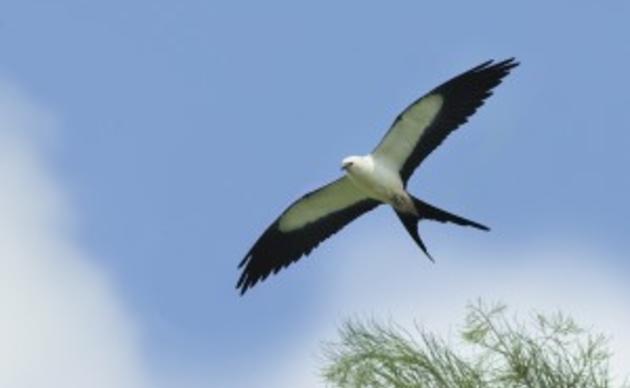
SpoonFlight_LarryFrogge

Audubon was well represented at the May 17 Florida’s Gulf Counties Consortium meeting in Key Largo, where the Consortium heard updates on the agreement with the Governor’s Office and the Gulf Council restoration plan.  Gov. Scott is expected to sign the agreement which will define the role of the Governor’s Office and state agencies in working with the Consortium to develop Florida’s Oil Spill Restoration Impact Allocation Plan. Also known as the State Expenditure Plan, the plan will determine how “Pot 3” RESTORE funds are spent. The State’s plan must be approved by the Gulf Coast Ecosystem Restoration Council.

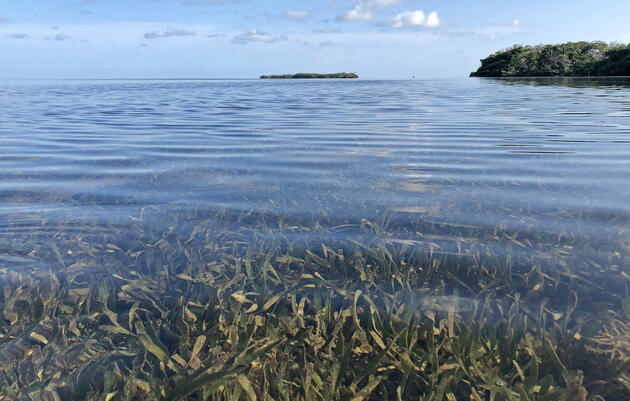
pete_presentation_keylargoPete Frezza, a research manager at Audubon’s Everglades Science Center in Tavernier, gave an insightful presentation on some of the problems facing Florida Bay, an important habitat for Florida’s wildlife and the larger Gulf ecosystem. Click here to see a copy of Pete’s presentation.

The Consortium also established a committee of the 15 counties from Jefferson to Monroe County to provide input on U.S. Treasury options on how to distribute Pot 1 RESTORE funds among the 15 counties.  A similar committee for the eight counties from Escambia to Wakulla was set up earlier.

Consortium members were briefed on the Florida Keys marine environment and how much influence Keys fish populations and other Keys resources have on other areas in the Gulf of Mexico.

Supervisor Connie Rockco, Harrison County, Missisippi Board of Supervisors, made a presentation and commented on how much coastal Mississippi has in common with coastal Florida.  She advocated for the formation of a Gulf state coastal consortium to exercise more influence with Congress on Gulf coastal issues.

All presentations made at the meeting are posted on the Florida Gulf Consortium web site.

Many of Florida’s Gulf coastal counties have formed advisory committees to help shape local priorities for Gulf restoration funds.  Your participation in these committee meetings is important to guide local restoration funds to critical Gulf environmental resources and wildlife.  If you have information on your local committee meetings, please email jwebber@audubon.org so that it can be included on Audubon’s RESTORE Calendar.

Take Action: Southwest Florida’s Conservation Lands Need You

bearsSFWMD Evaluating 62,000 acres of conservation land for surplus in Lee, Hendry, Glades, and Collier Counties.

The South Florida Water Management District (SFWMD) is assessing whether to retain or declare surplus and sell over 62,000 acres of conservation land in Southwest Florida, including lands in Lee, Hendry, Glades and Collier Counties. The lands involved include water management, project, and Conservation lands bought under the Florida ForeverPreservation 2000, and Water Management Lands Trust Fund programs.

A number of the properties being reviewed are located near or adjacent to Audubon’s Corkscrew Swamp Sanctuary, such as the “Corkscrew Regional Ecosystem Watershed” (CREW) and lands in the Ockaloacoochee Slough.

sfwmd_swflorida_surplusmap

Also up for evaluation are lands purchased for water quality projects, including the C-43 Reservoir site, the Caloosahatchee Water Treatment and Testing Facility tract, and a string of properties along the Caloosahatchee river including mangrove and other wetland islands and peninsulas within the river floodplain itself.

SFWMD is seeking public comments on the value of retaining these lands for conservation, and other water management purposes.

The deadline to submit comments is May 28, click here to take action right now.

Maps and detailed material on each property up for consideration are available at the District’s Web Site, found by clicking here.

All concerned with the continued conservation and protection of these lands should submit comments or attend the public meeting (date and time below) and make comments in person. Because SFWMD has put all of its properties in the area “on the table” for review, those lands which seem ignored by the public in this review may eventually be targeted as “potential surplus” by SFWMD. Comments in favor of retaining land in conservation are urgently needed

SFWMD has noticed a public meeting in the area to listen to comments from the public and environmental organizations:

Big Day for Everglades as Tamiami Trail Dam is Removed

posted on in Everglades,Florida Bay

Everglades Sunset - Photo by MacStoneWater is flowing freely past the Tamiami Trail once again, the first time in 85 years it has done so. While traffic has been driving on the new elevated bridge over a mile long stretch of Tamiami Trail for over a month now, the removal of the dam began yesterday. Now focus shifts to ensure that phase II – a 5.5 mile stretch of bridge – becomes a reality. The Tamiami Trail bridging project has been an Audubon priority for decades.

The removal of the dam means more freshwater from the Everglades will reach Florida Bay – a delicate estuarine ecosystem that is dependent on the natural flow of Everglades water for balance in salinity and seasonal water level changes. Stay tuned to this website for more information from our Everglades Science Center in Tavernier who will be monitoring this area closely in the coming weeks, months, and years.

Truly this is a monumental day for Everglades advocates – thank you to everyone who worked so hard to for this day to happen.

For more information, please see coverage from Craig Pittman of the Tampa Bay Times by clicking here.

Audubon Magazine: Roseate Spoonbills Send Warning Signs About the Florida Everglades

posted on May 15, 2013 in Everglades,Florida Bay,Wildlife

Don’t miss the lead article in the the May-June 2013 edition of Audubon Magazine:

Roseate spoonbills and other shorebirds hunt on the mud flats during low tidesOnce the spoonbills regained a toehold in Florida Bay, their numbers climbed steadily until 1979, when they peaked at roughly 1,260 nests. They then began a precipitous decline. Wetlands throughout the Keys were ditched and drained to create new housing developments offering residents both direct waterfront and road access, wiping out roughly 80 percent of the birds’ foraging grounds. “The Keys were covered in so much dust, it looked like a fog bank,” Lorenz recalls being told by an U.S. Army Corps of Engineers scientist who was working in the area at the time.

The spoonbills responded to such unprecedented development by shifting to more northern nesting areas in Florida Bay. They might have hung on there, if not for the drastic changes in water management that followed, including upgrading the canal system to three times its former size and increasing the number of pump stations to support booming agriculture in southern Dade County.

Lorenz’s research helped reveal the extent to which the spoonbills’ needs were quickly becoming at odds with development and water management. For one, water depth plays an important role in spoonbill survival. When water levels drop very quickly, as they are supposed to do naturally in November and December, it signals to the spoonbills that it is time to start nesting. If all is well, 22 days after the birds lay their first egg the conditions will be ripe for foraging—fish will be concentrated in shallow waters, where spoonbill parents can quickly suck them up and return to the nest to feed their chicks.


Learn more about Roseate Spoonbills at RestoreFloridaBay.org.

Protect Florida Bay and Everglades National Park

posted on May 3, 2013 in Everglades,Florida Bay

takeaction_floridabay_largeMake your voice heard in support of Everglades National Park’s preferred management plan.

Everglades National Park is currently undertaking a large-scale update to their General Management Plan (GMP) that will provide broad guidance for management of the Park’s resources for at least the next 20 years. Audubon supports the National Park Service’s preferred plan because it strikes the right balance of protecting and improving conditions for birds and wildlife while also allowing for significant visitor access to continue.

Your voice is needed – take action to Protect Florida Bay and Everglades National Park by sending an email of support right now

seagrass_scarAudubon’s Everglades Scientists working in Florida Bay found that increasing boat traffic across shallow seagrass habitat contributed to a decline in wading bird nesting in Florida Bay. One of the GMP’s most important proposals is to designate a greater area as a “Poll and Troll” zone, where boats can enter using a push poll or a non-combustion trolling motor.

This will avoid scarring and killing sea grass beds that support fish and wildlife as well as minimizing disturbance to nesting, foraging, and roosting water bird species like the iconic Roseate Spoonbill.

You are strongly encouraged to edit and personalize the below message. Tell park administrators why protecting seagrass habitat and wading birds is important to youFor more information, please click here to visit the official Everglades National Park Draft Management Plan website.

Your comments are important, please share using the buttons below. If you would like to send your email using the National Park Service’s online web form, please click here to visit their website.

First Tamiami Trail Bridge Opens Today

posted on April 16, 2013 in Everglades,Florida Bay,Water Issues,Wildlife

TamiamiTrailBridge_Audubon_processTHANK YOU to all Audubon Advocates for helping to make one of our oldest Everglades priorities become a reality! The first Tamiami Trail bridge is NOW OPEN to traffic, so you can take a drive along US 41 and see the Everglades like never before. Have a friend take a picture of the bridge while your driving and post it on Facebook Page.

In this photo collage you can see the history of this project – from the original Tamiami Trail construction with water relentlessly rushing over the dike, to the modern construction process, to the eventual ecological results expected in the Southern Everglades and Florida Bay! THANK YOU EVERGLADES ADVOCATES! This is a great day for Florida’s iconic birds and wildlife!

For more information, please see our fact sheet:http://bit.ly/137Wsjy.

Photos by Miami HistoryJacksonville District, U.S. Army Corps of Engineers and Mac Stone Photography. Thank you!

Ft. Myers ABC Channel 7: Corkscrew Swamp Sanctuary’s wildlife feeding frenzy wowing tourists

posted on April 3, 2013 in Corkscrew Swamp,Everglades,Wildlife

ABC-7.com WZVN News for Fort Myers, Cape Coral

Historic Milestone for the Everglades as First Tamiami Trail Bridge Opens

posted on March 22, 2013 in Everglades,Florida Bay,Water Issues,Wildlife

Salazar_TamiamiTrail_RibbonCutting_AudubonTuesday marked an historic milestone for Audubon and the Everglades as advocates and decision-makers assembled to celebrate the opening of the first bridge on Tamiami Trail. Raising Tamiami Trail to restore the natural flow of water has been one of Audubon’s top priorities for decades.

Although in the works for over 20 years, a compromise reached in 2008 allowed this project to move forward while planning for a more ambitious second phase. As the water starts to flow, scientists from Audubon’s Everglades Science Center will monitor the ecosystem changes and provide critical data about the project’s benefits.

TamiamiTrail_birds_celebrationThe Everglades Team will also strongly advocate for construction funding to begin the next phase of bridging that will raise an additional 5.5 miles and exponentially increase the overall ecological benefits while recharging groundwater levels and creating a barrier to salt water intrusion.

For more information on this critical Everglades project, please see coverage from The Miami Herald and WPLG Local 10 News.

Audubon Advocates for Increased Water Conservation in South Florida

posted on in Everglades,Water Issues

tamiamitrail

Planning for a sustainable water future in South Florida and the Everglades requires looking beyond the horizon and conserving water now. Everglades birds like Everglade Snail Kites, Wood Storks, and Roseate Spoonbills need the right amount of clean water at the right time in the right place to sustain habitats.

Audubon Florida and our local chapters through South Florida are coordinating to protect water for natural systems by attending meetings and submitting comments to the South Florida Water Management District for the regional water supply planning process.

Web_SFWMD_logoRegional water supply plans create a roadmap for the use and protection of water resources over the next twenty years. The Lower East Coast Water Supply Plan update covers Palm Beach, Broward, Miami-Dade, Monroe counties, and also impacts water resources and habitat on the Southwest Florida coast. The regional update maps how southeast Florida will develop and conserve water resources over period of 20 years. This process is also supposed to protect water for natural resources over the planning period.

In collaboration with our chapters in South Florida- Audubon Society of the Everglades, South Florida Audubon Society, and Tropical Audubon Society, Audubon Florida sent a letter to SFWMD in Lower East Coast Water Supply Plan update. We urged the agency to take a closer look at water conservation. Specifically, agriculture should conserve more water through best management practices. Communities should save more water through reduced use of landscape irrigation and other conservation techniques. We also asked the SFWMD to make sure they provide adequate funding for water resources and take a closer look at methods for 
climate change adaptation
 in our region.

On April 24, 2013 at 1 pm the full draft 2013 Lower East Coast Water Supply Plan update will be unveiled to the public. Come let your voice of conservation be heard. The meeting will be at the SFWMD Headquarters, B-1 Auditorium, 3301 Gun Club Road, West Palm Beach, FL 33406.

Click here to see Audubon’s presentation on protecting natural systems through the water supply process. Stay tuned for further developments.


Urge Your House Representative to Vote NO on HB 7065

posted on March 19, 2013 in Everglades,State Government,Water Issues

takeaction_evergladesThe bad Everglades bill HB 7065 is headed toward a final vote in the Florida House. Your voice on this issue is more important now than ever, please take a moment to call AND email your representative right away.

Politely ask your Representative to vote NO on HB 7065. Please click here to look up their Tallahassee phone number.

After you make your call, send a letter saying NO to HB 7065 using our easy email form. It is important to get Floridians from all parts of the state engaged in this effort; please share this urgent alert on Facebook and Twitter - see the share buttons at the bottom of this email for quick posting options.

Thank you for all that you do. 

CLICK HERE TO SEND YOUR LETTER

HB 7065 – Everglades Improvement and Management:

  • Puts a cap on the amount of money sugar growers pay to build and operation projects to clean up polluted water coming off their fields.
  • Seriously weakens enforcement of an important law that currently outlaws discharges that contribute to violating water quality standards.

Audubon and other organizations have objected to these changes to the Everglades Forever Act. We are hoping for some serious discussions about increasing the amount of money sugar growers pay to clean up the pollution coming off their land. We have also objected to the part of the bill that nullifies enforcement of discharge permits. This section of the bill seems deliberately written to eliminate the basis of a recent legal challenge to three discharge permits for the dirtiest Everglades farms.

The Senate companion bill - SB 768 - has none of the offending provisions.

Why Your Voice is Important

The sugar industry has dozens of lobbyists.Money has been given to legislators and political committees. Many members of the Florida House have already made up their mind on this bill. Some have been, by their own admission, heavily lobbied by the sugar industry. And the bill enjoys the support of key legislative leaders.

The environmental lobby, on the other hand, has to depend on you.

CLICK HERE TO SEND YOUR LETTER

Next »